Elderly Co-Living in Singapore: How It Works and Who It Suits
· Blue Atria
More older Singaporeans are living alone, and many families worry about it: the falls, the missed meals, the long quiet days. Elderly co-living is one answer that's growing in Singapore: seniors share a home, each with their own room, so no one has to grow old alone.
Here's how it works, and what to look for.
What is elderly co-living?
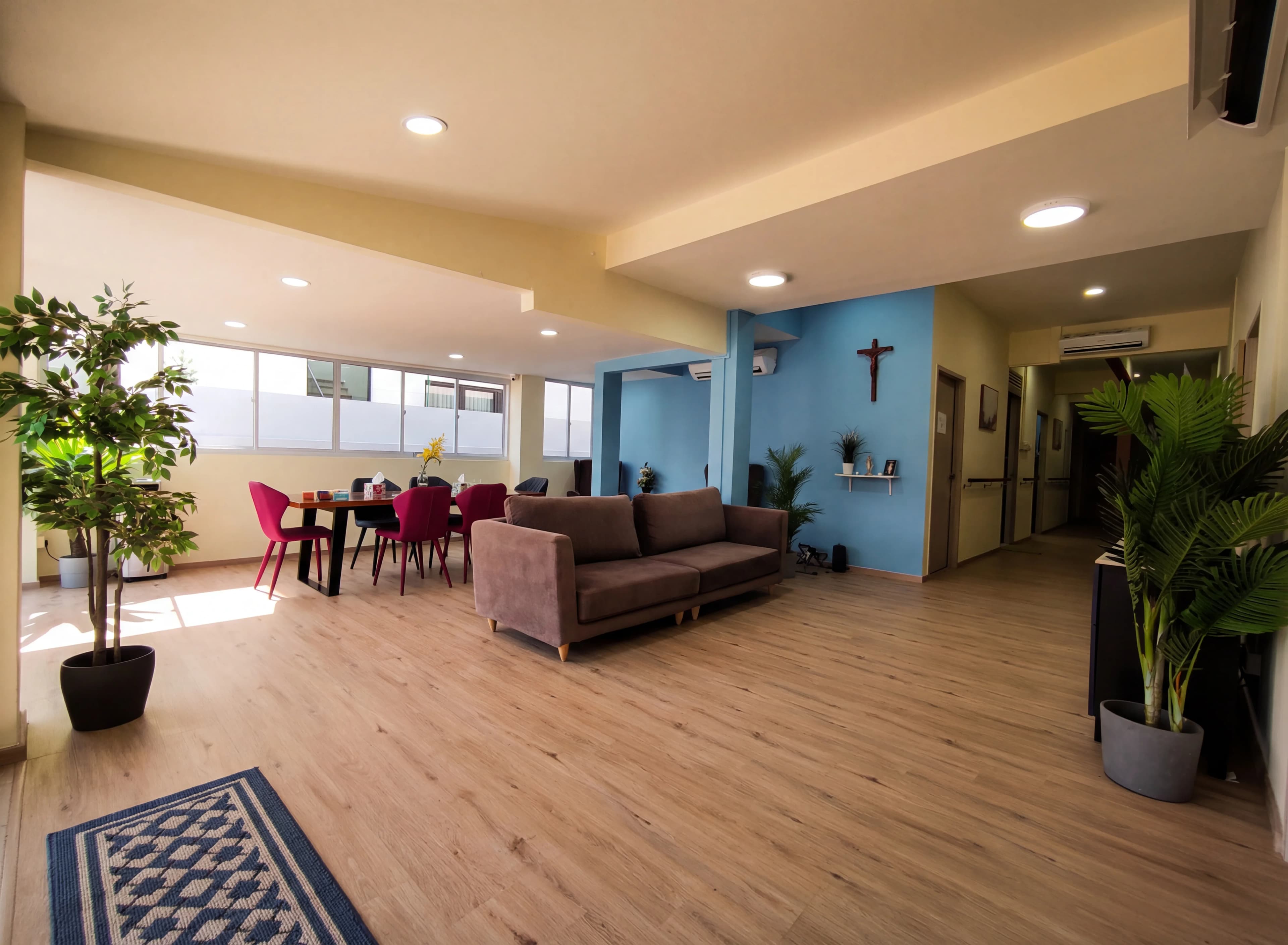
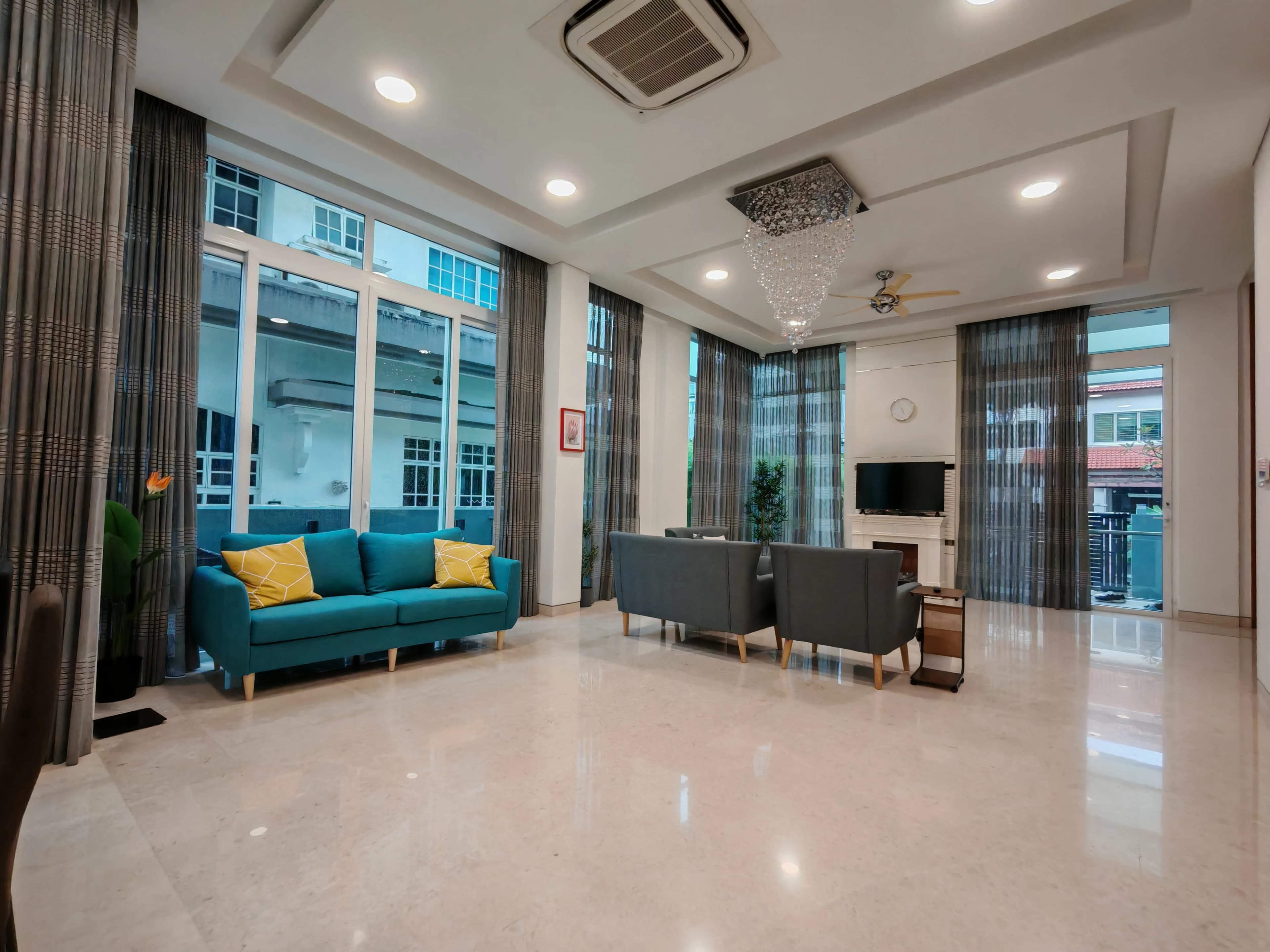
In a co-living home, a small group of seniors lives together in one residence, which may be an HDB flat, a condominium or a landed house. Each person has their own room (or shares one, if they prefer), and everyone shares the living room, dining table and daily life.
It sits between living alone and moving into a large institution. Residents keep their privacy and independence, but there's always someone around: for a chat over breakfast, a walk to the market, or help when something goes wrong.
Co-living with care vs co-living without care
This is the most important distinction to understand.
- Co-living without care is essentially shared housing for seniors. It solves loneliness, but if a resident needs help with bathing, medication or getting up at night, that's arranged separately, usually by the family.
- Co-living with care builds trained support into the home. In Singapore, the Ministry of Health has supported this model through Shared Stay-in Senior Caregiving services, where trained caregivers support a small group of seniors living together. We explain the scheme in What is the MOH Shared Stay-in Senior Caregiving Service?
If your parent is fully independent, either can work. If they need daily help now, or are likely to soon, co-living with care avoids a second move later.
What co-living with care looks like day to day
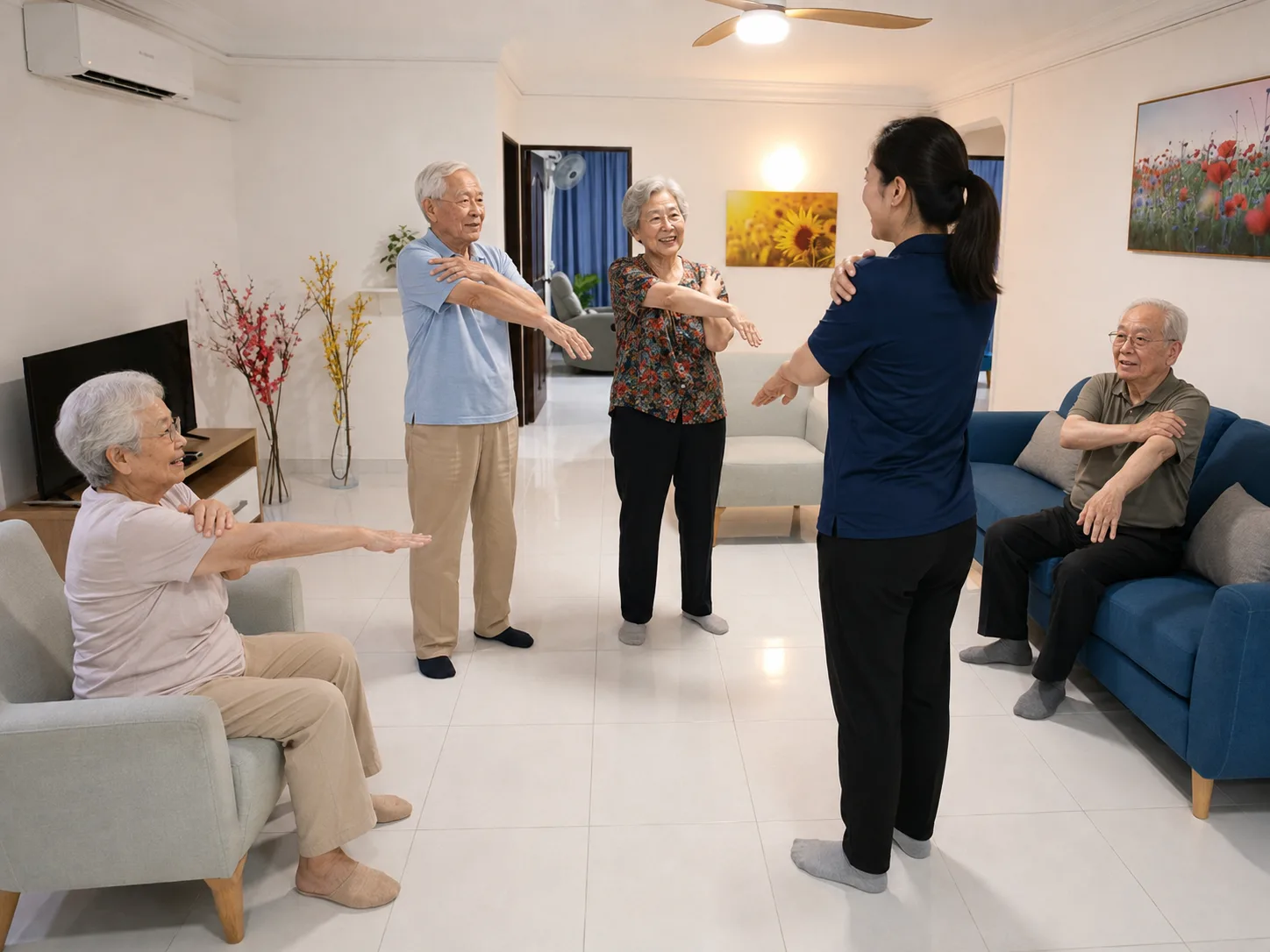
At Blue Atria, our homes are small co-living residences with care built in:
- A private or shared room, with residents' own furniture and keepsakes welcome
- Trained caregivers on site 24 hours a day, plus nursing oversight and medication management
- Shared, home-cooked meals, including local favourites
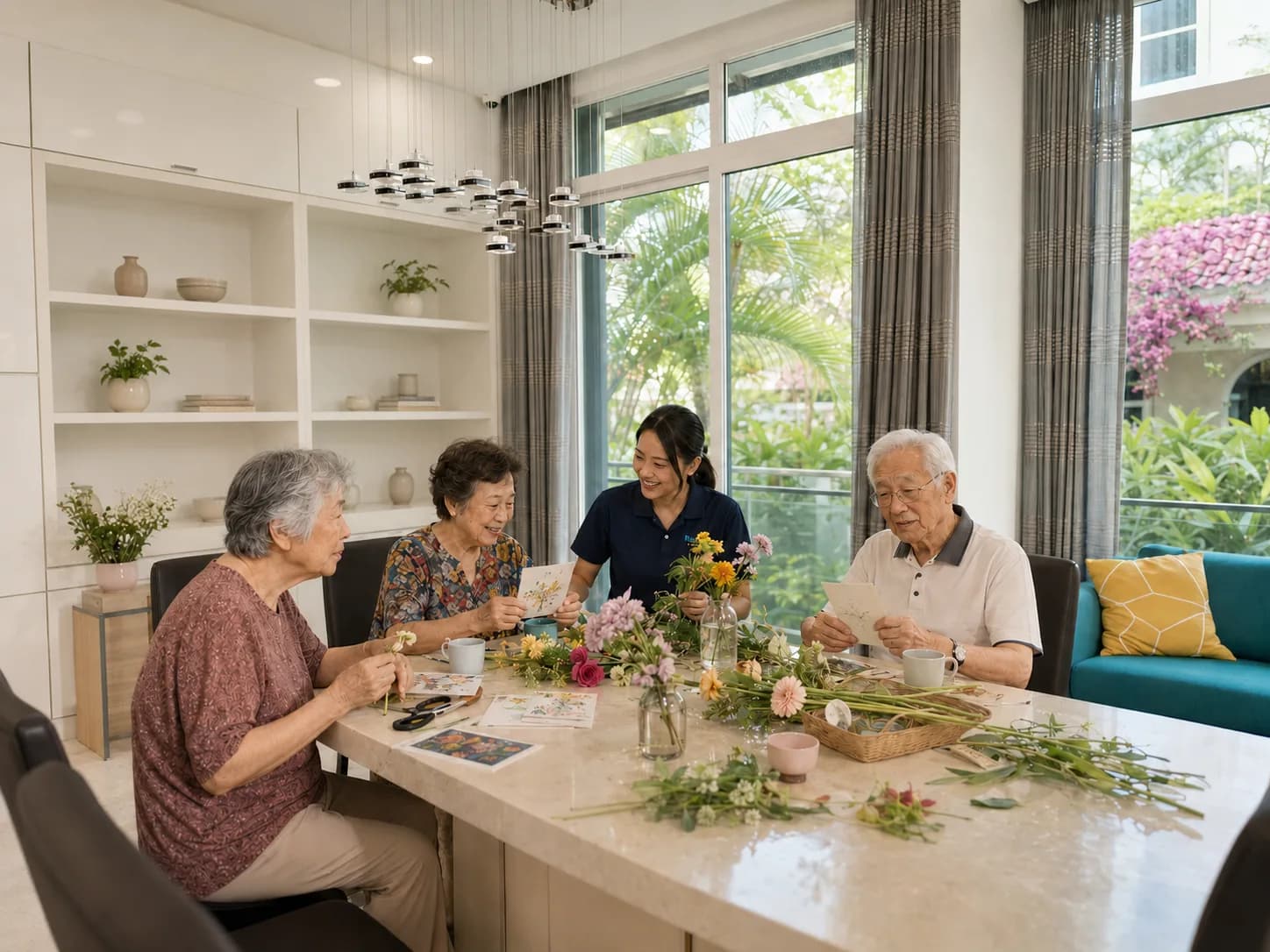
- A daily rhythm: morning exercise, activities, outings and plenty of time to simply chat
- Open visiting, so family stays part of everyday life
Read more about daily life at Blue Atria, or how co-living compares with retirement villages and retirement homes.
Who does elderly co-living suit?
Co-living tends to work well for seniors who:
- Live alone and are lonely, or feel unsafe at night
- Enjoy company but still value their own space
- Need some daily help, but not a hospital-like setting
- Are recovering their confidence after an illness or hospital stay
- Want to stay in a familiar neighbourhood
It may not suit someone with very high medical needs who requires round-the-clock clinical nursing. In that case, a nursing home may be more appropriate.
Questions to ask before moving in
- Is care included, or arranged separately? Who helps at 3am?
- How many residents share the home? Smaller homes usually mean more personal attention.
- Can my parent bring their own things and keep their routines?
- How are meals handled? Can dietary needs be met?
- What does the monthly fee include? Ask for a clear list, with no surprises.
- Can we visit first and meet the caregivers and residents?
Not just a roof, but company
The real value of co-living is often felt in small moments: someone noticing your mother hasn't eaten much today, a friend to share the newspaper with, laughter at dinner. For many seniors, that company does as much good as any care plan.
If you're exploring co-living for a parent, come and visit one of our homes. Seeing daily life in person is the best way to know if it's the right fit.