
Help for Elderly Parents Living Alone in Singapore
· Blue Atria
More and more older Singaporeans are living alone — sometimes by choice, sometimes because a spouse has passed away or children have moved out. Many manage well for years. But for families, it often brings a quiet, constant worry: what if something happens and no one knows?
Here is how to help a parent who lives alone stay safe, healthy, and connected — and how to recognise when living alone is no longer the right choice.
Make the home safer
Falls are one of the biggest risks for seniors living alone. A few changes go a long way:
- Clear the floor of loose rugs, cables, and clutter.
- Add grab bars in the bathroom and beside the toilet.
- Use non-slip mats in the shower and kitchen.
- Improve lighting, especially night lights between the bedroom and bathroom.
- Keep everyday items within easy reach, so there's no need to climb or bend awkwardly.
Set up a way to call for help
If your parent falls or feels unwell, they need a way to raise the alarm. Options include a personal alert button worn on the wrist or neck, a mobile phone kept on them at all times, and simple apps or devices that let family check in. Make sure emergency numbers are easy to find.
Build a check-in routine
Regular contact gives you peace of mind and helps you notice changes early:
- A daily call or message at a set time.
- A neighbour or friend who can knock on the door if your parent doesn't answer.
- Regular visits from family, so you can see how things really are at home.
Keep them connected
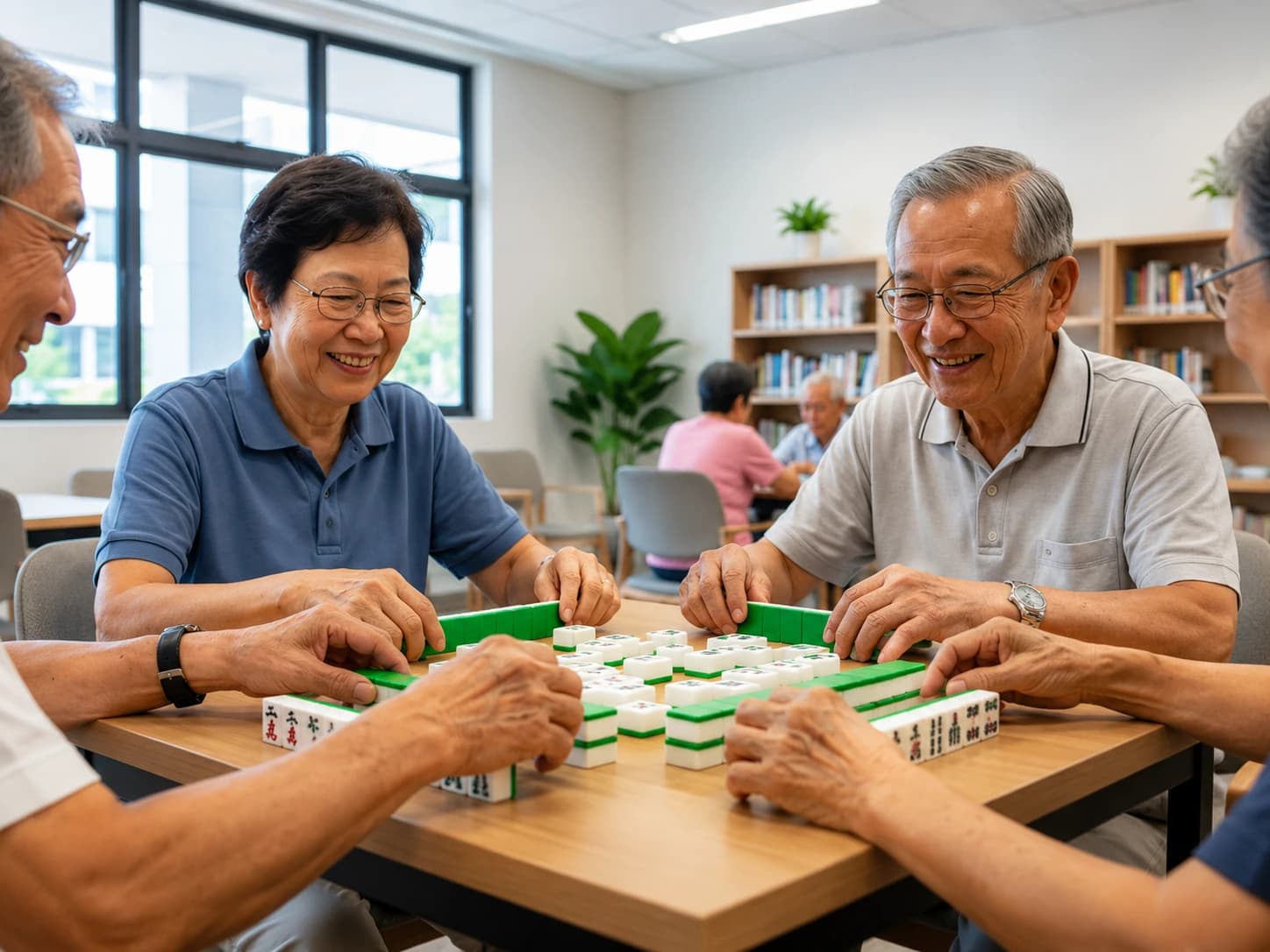
Loneliness affects health as much as physical frailty does. Encourage your parent to stay socially active — through Active Ageing Centres in their neighbourhood, community activities, religious groups, befriending services, or simply regular meals with friends. A reason to get out of the house each day makes a real difference.
Watch for warning signs
Living alone can work well — until it doesn't. Signs that your parent may need more support include:
- Falls or near-falls
- Missed medication or confusion about doses
- Weight loss, an empty fridge, or spoiled food
- Unpaid bills or unopened mail
- Poor hygiene or an untidy home that used to be well kept
- Withdrawing from friends and activities
- Seeming anxious about being alone, especially at night
We cover these in more detail in 5 signs your ageing parent should not live alone anymore.
When living alone is no longer enough
When several warning signs appear, it's worth looking at more structured support. Options range from home care visits to a live-in helper to assisted living, where your parent has their own room in a small, home-like residence with caregivers on hand 24 hours a day — and company at every meal.
Many seniors who were lonely and anxious at home become brighter and more social once they no longer face each day alone. If you're unsure what's right, our guide to caring for ageing parents can help — or talk to our care team for honest, no-obligation advice.