10 Ways to Make a Home Safer for Elderly Parents in Singapore (2027)
· Blue Atria
Most falls among older people happen at home, often in the bathroom or at night. The good news: a few simple changes can make a big difference. Here are 10 ways to make a home safer for an elderly parent in Singapore, from five-minute fixes to small renovations.
1. Install grab bars in the bathroom
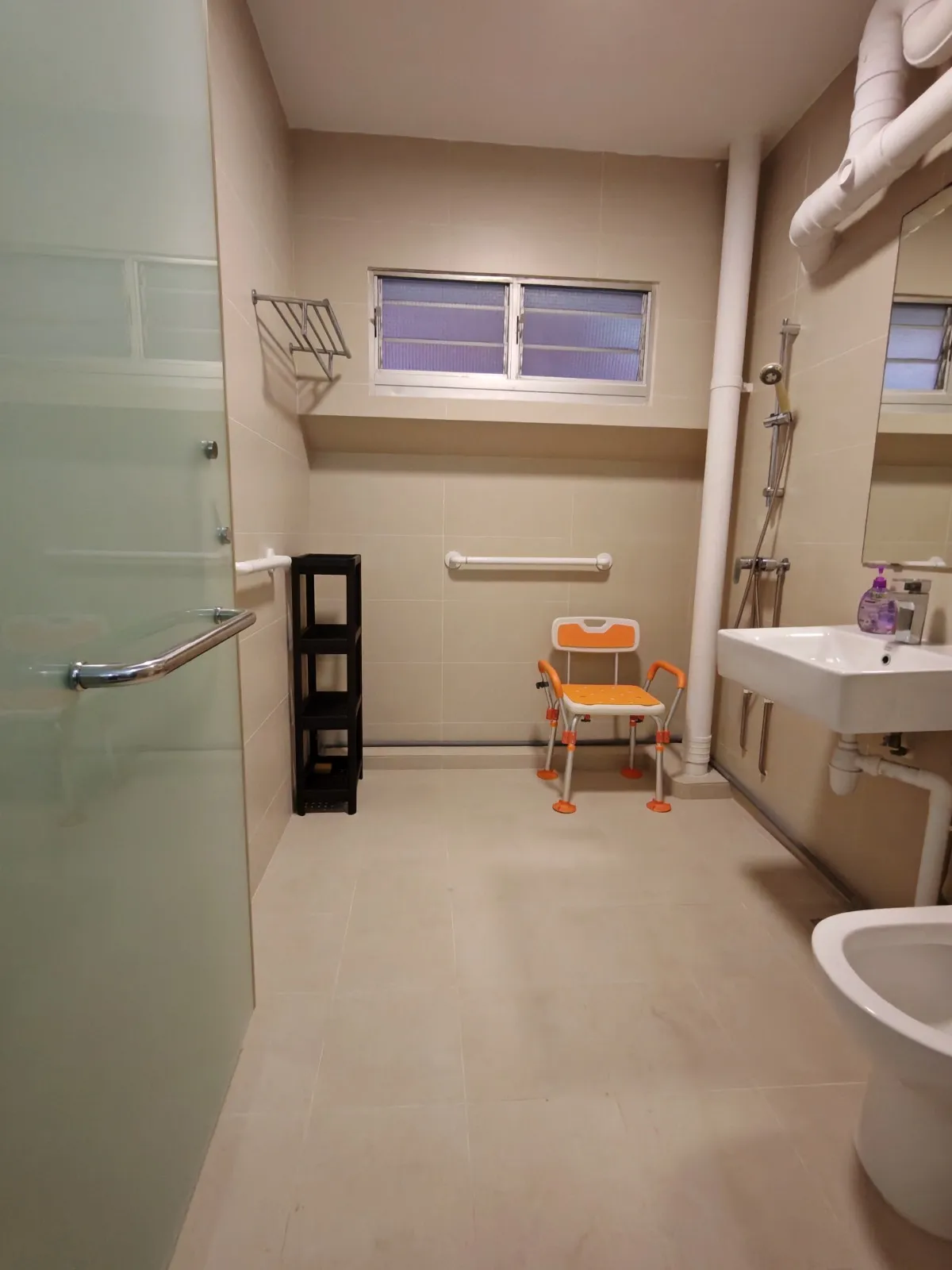
The bathroom is the riskiest room in the house: wet floors, hard surfaces and a lot of standing up and sitting down. Grab bars next to the toilet and in the shower give something solid to hold.
Singapore tip: HDB's Enhancement for Active Seniors (EASE) programme offers subsidised grab bars, slip-resistant floor treatment and ramps for eligible households with seniors. Check HDB's site for the current eligibility rules.
2. Make floors slip-resistant
Polished tiles and wet bathroom floors are slippery. Consider slip-resistant floor treatment (also available under EASE for HDB flats), non-slip mats with rubber backing, and wiping up spills immediately.
3. Clear trip hazards
Walk through the home at your parent's pace and look down:
- Loose rugs and mats
- Trailing wires and extension cords
- Clutter on the floor and in walkways
- Low furniture such as coffee tables and stools
Keep walkways clear and wide enough for a walking aid.
4. Improve the lighting, especially at night
Many falls happen on the way to the toilet at night. Add night lights between the bedroom and bathroom, make sure switches are easy to reach from the bed, and replace dim bulbs with brighter ones.
5. Add a shower chair and handheld shower
Sitting down to shower is safer and less tiring. A sturdy shower chair with non-slip feet and a handheld shower head make bathing easier, and give a parent more independence if a family member or helper assists.
6. Deal with steps and kerbs
Steps at the main door or a raised kerb at the bathroom entrance are easy to trip over, especially with a walker. Ramps and kerb lowering can help. Both are among the improvements offered under EASE for HDB flats.
7. Get the right mobility aids
A walking stick, walker or wheelchair that is properly fitted makes moving around safer. Ask your parent's doctor or a therapist what suits them. The Seniors' Mobility and Enabling Fund subsidises mobility and assistive devices for eligible seniors.
8. Set up a way to call for help
If your parent lives alone or is alone for part of the day, make sure they can call for help if they fall:
- A personal alert button or fall-detection watch
- A phone kept within reach, with emergency numbers on speed dial
- A regular daily check-in call with a family member
9. Make medication safe and simple
Missed doses and double doses are common. Use a weekly pill organiser, keep a written medication list, and ask the pharmacist to review all medicines together. Keep medicines out of the kitchen if your parent sometimes gets confused.
10. Keep everyday things within easy reach
Reaching up to high cupboards or bending down low leads to falls. Move everyday items, such as cups, plates, clothes and toiletries, to between waist and shoulder height. Avoid step stools altogether.
A quick home safety checklist
- Grab bars next to the toilet and in the shower
- Non-slip floors or mats in the bathroom and kitchen
- No loose rugs, wires or clutter in walkways
- Night lights from the bedroom to the bathroom
- Shower chair and handheld shower
- Ramps or lowered kerbs where needed
- Properly fitted mobility aids
- A way to call for help at any time
- Medication organiser and up-to-date list
- Everyday items within easy reach
When home changes aren't enough
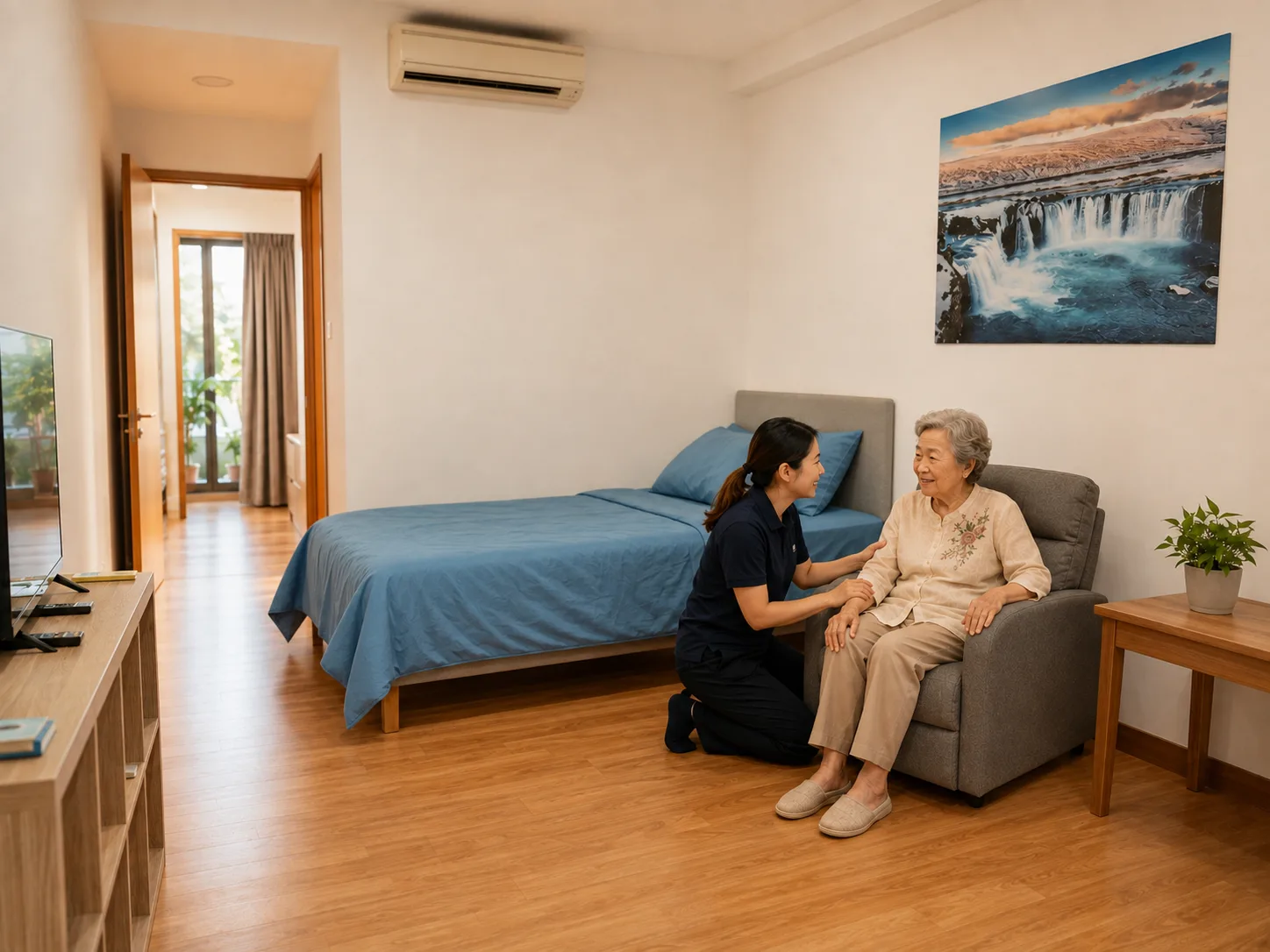
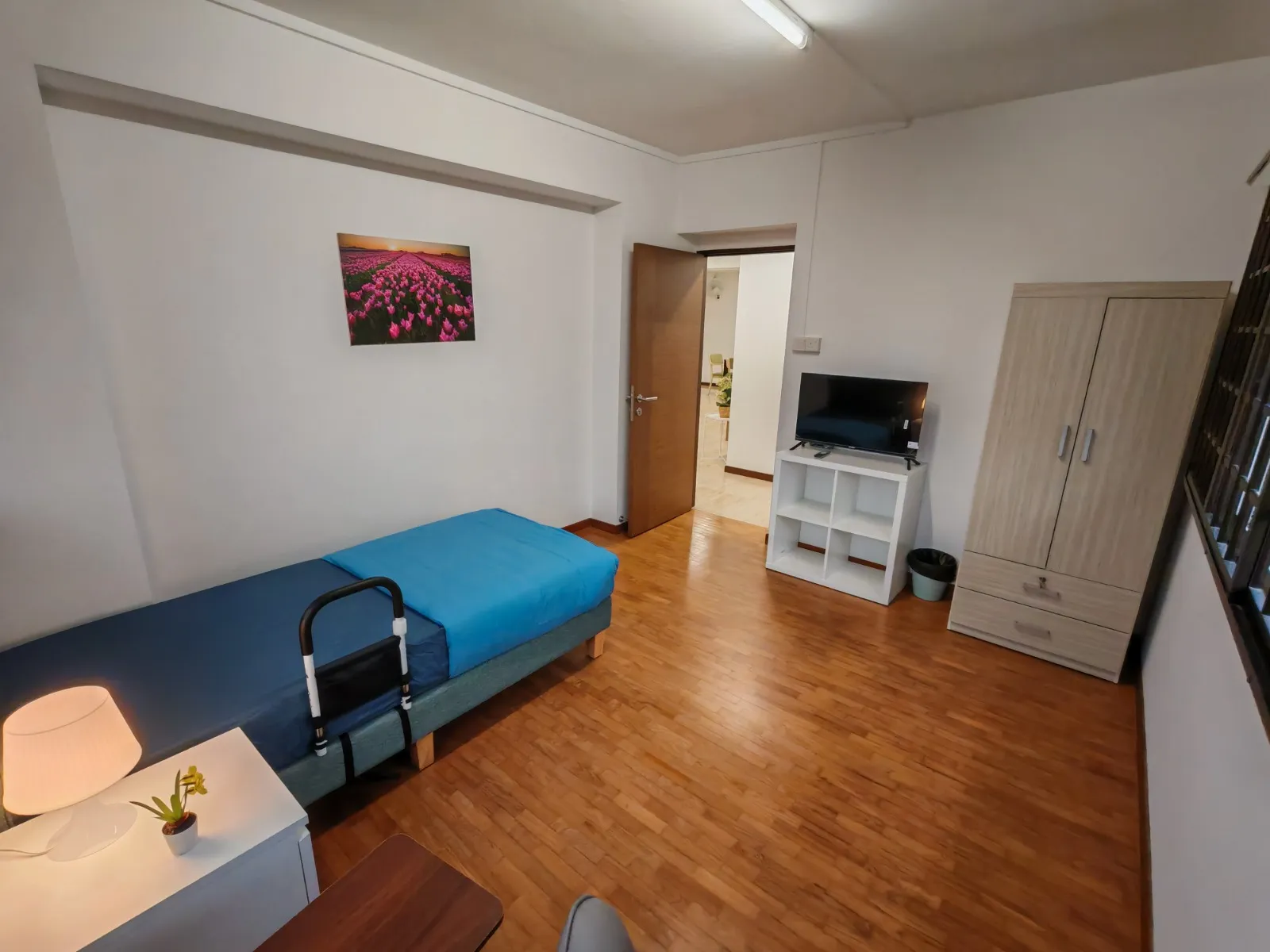
Home modifications help, but they can't help someone up after a fall at 3am or notice they've stopped eating. If your parent needs daily help or supervision, especially at night, assisted living may be the safer choice. Blue Atria's homes are designed for safety, with accessible bathrooms, grab bars and caregivers on site 24 hours a day.
Read 5 signs your parent should not live alone anymore, or talk to our care team.