10 Caregiver Support Resources in Singapore Every Family Should Know (2027)
· Blue Atria
If you're caring for an ageing parent, you're one of many thousands of family caregivers in Singapore, and there is more help available than most people realise. Here are 10 caregiver support resources worth knowing.
Scheme details change. Amounts and eligibility for government schemes are updated from time to time. Always check the official pages linked below for the latest.
1. Agency for Integrated Care (AIC)
AIC is the national agency that coordinates eldercare in Singapore, and the best starting point for almost any question: care options, referrals, subsidies and caregiver support. Visit aic.sg or their caregiver support pages.
2. Home Caregiving Grant
A monthly cash payout to help families care for a loved one with permanent moderate disability at home. It can be used for caregiving costs such as a helper or home care. See AIC's caregiver support page for eligibility.
3. Caregivers Training Grant
An annual subsidy for approved caregiving courses, for family members and domestic helpers caring for a senior or a person with disability. Learning safe transfers, feeding or medication management makes caregiving safer for everyone. See Caregivers Training Grant.
4. Seniors' Mobility and Enabling Fund
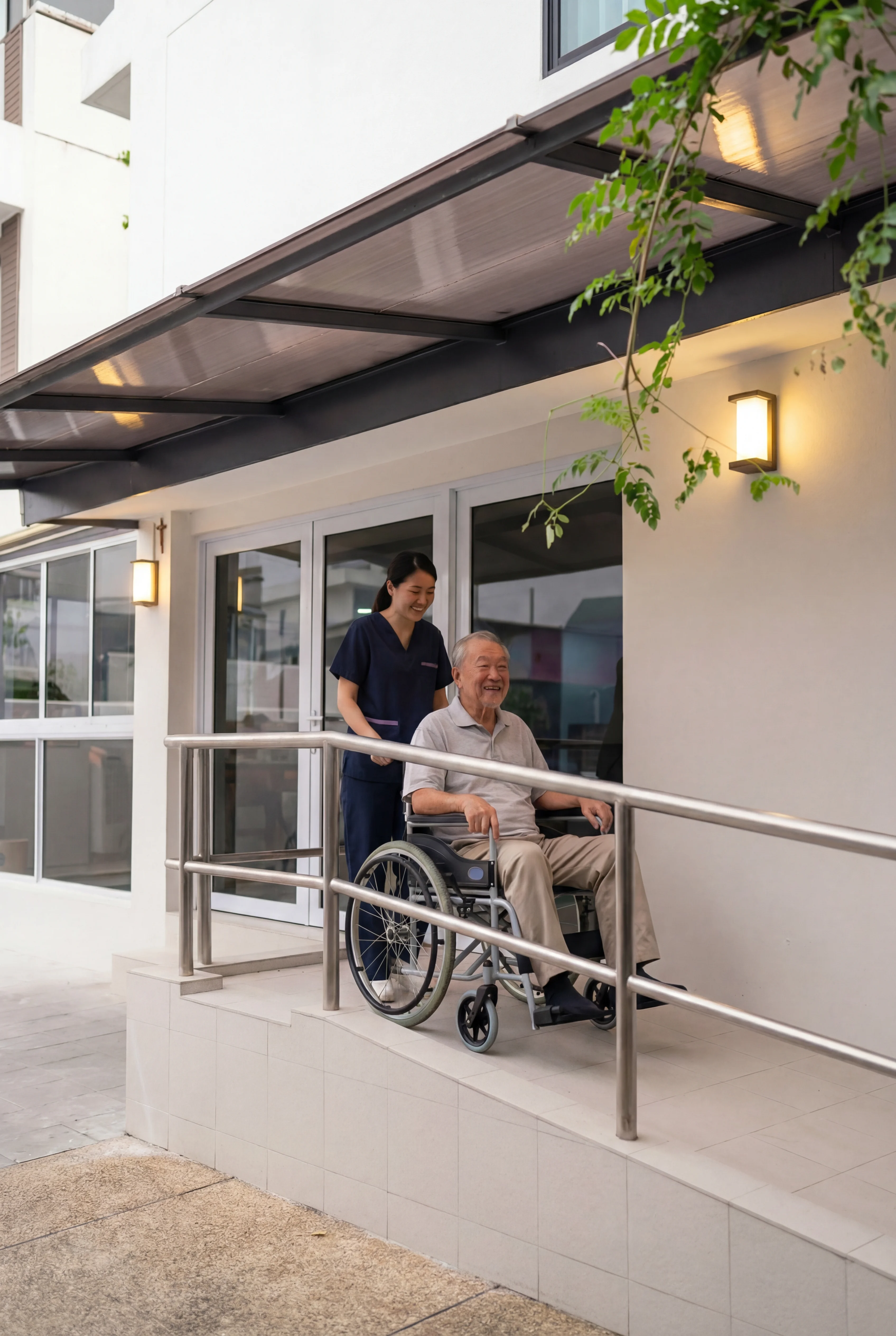
Subsidises mobility and assistive devices, such as wheelchairs, walkers and hospital beds, as well as some home healthcare items for eligible seniors. See Seniors' Mobility and Enabling Fund.
5. HDB's EASE programme
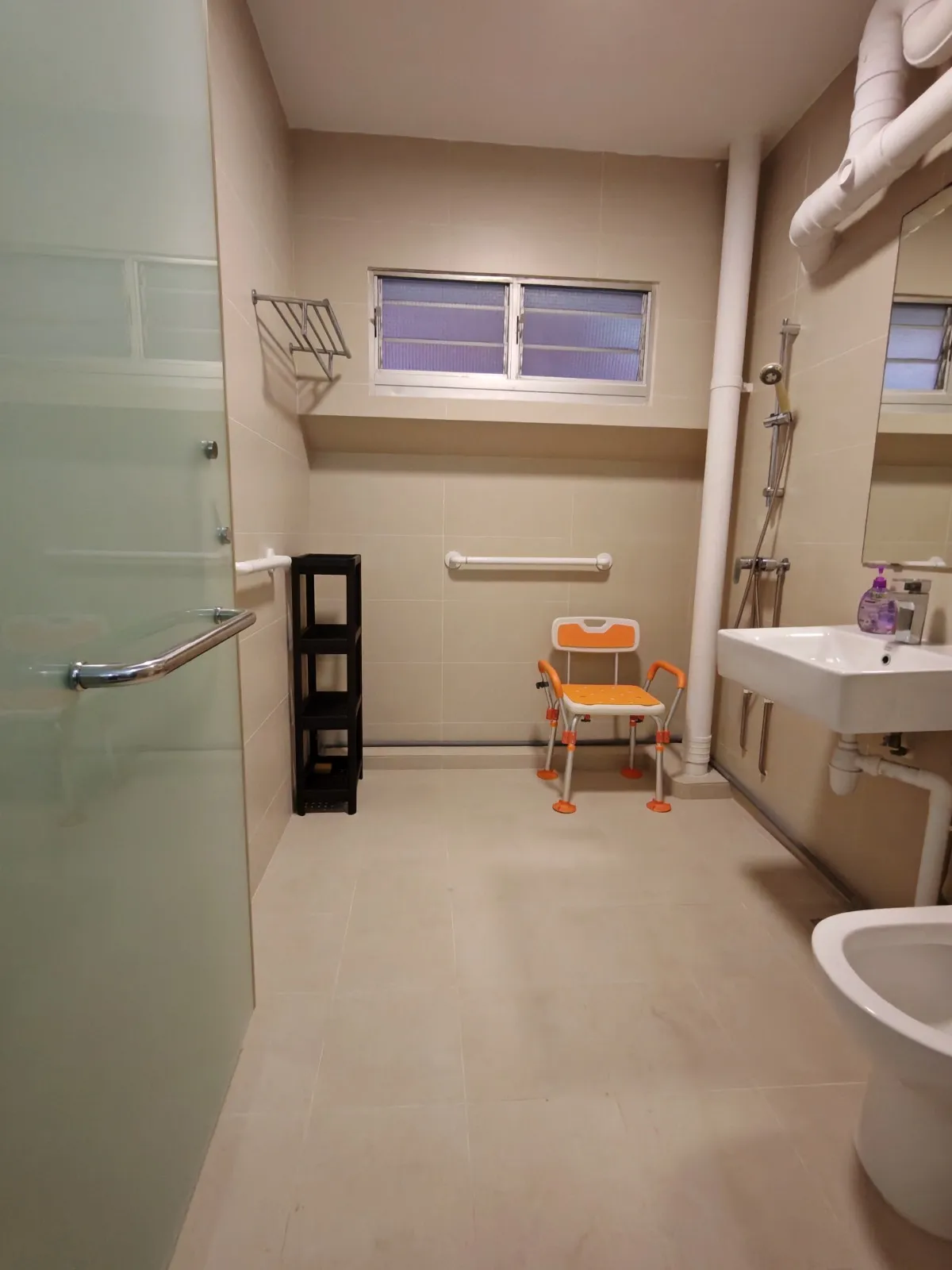
Subsidised home improvements for seniors in HDB flats, including grab bars, slip-resistant floor treatment and ramps. See EASE on hdb.gov.sg, and our guide to making a home safer for elderly parents.
6. Respite care
Respite care gives family caregivers a break, for a few hours, a few days or a few weeks, while your parent is cared for elsewhere. It is also a good way to try a care setting before committing. Read our respite care guide.
7. Active Ageing Centres
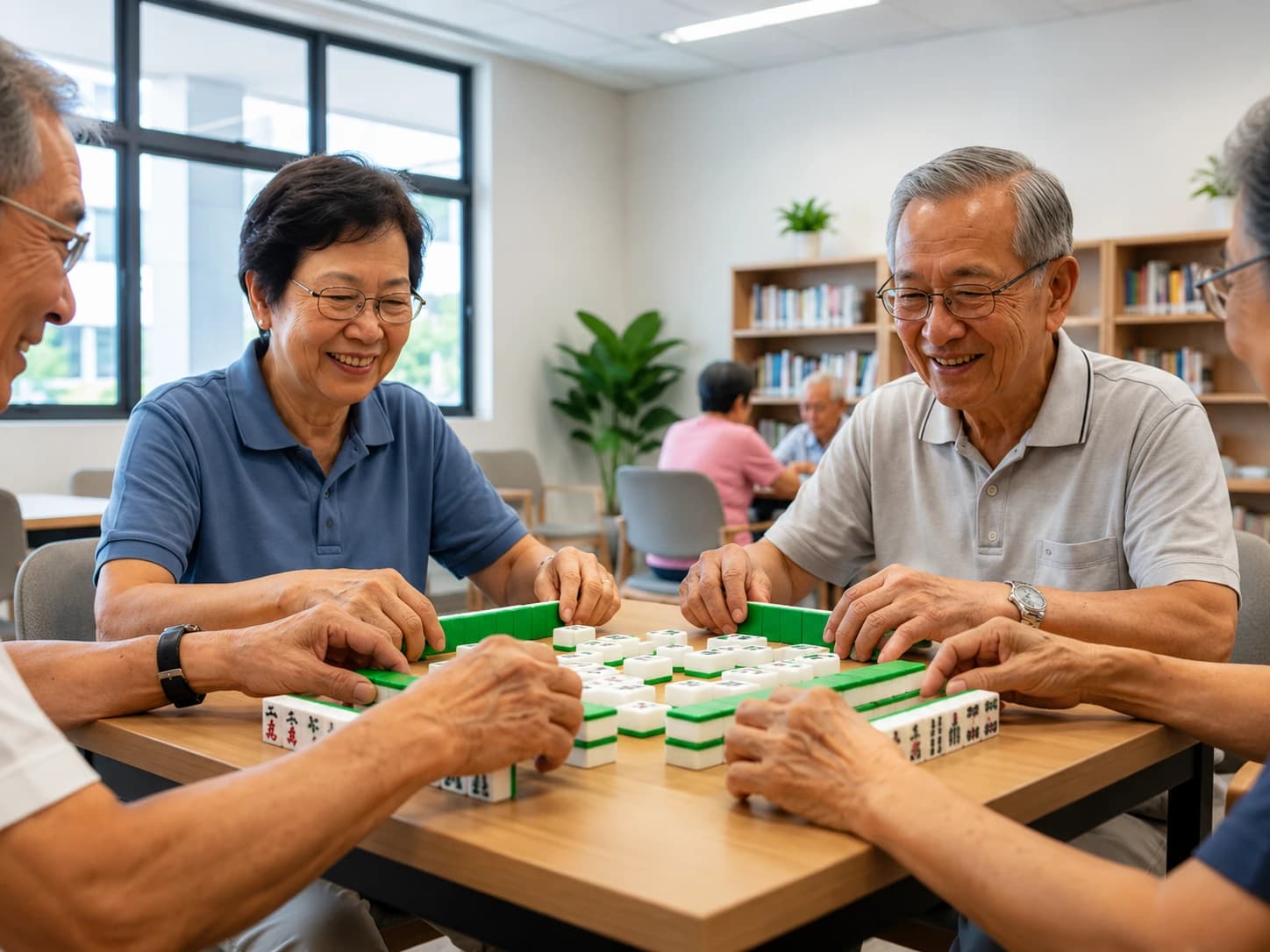
Neighbourhood centres that run activities, exercise and social programmes for seniors, and can check in on seniors living alone. Your parent stays active, and you get some peace of mind. See 25 activities for seniors in Singapore for more ideas.
8. Caregiver support groups
Talking to people who understand helps. Organisations such as Caregivers Alliance run support groups and programmes for caregivers, and many hospitals and community organisations run their own. Ask your parent's care team what's available nearby.
9. Your parent's doctor and hospital social workers
GPs, polyclinic doctors and hospital medical social workers can advise on care needs, assess eligibility for schemes and make referrals. If your parent is in hospital, ask to speak to the medical social worker before discharge. See care after hospital discharge.
10. Emotional support helplines
Caregiving is emotionally demanding. If you're feeling overwhelmed, reach out. Samaritans of Singapore (SOS) runs a 24-hour helpline at 1767 for anyone in distress. Speaking to your own doctor is also a good first step.
Know the signs of burnout
Exhaustion, irritability, poor sleep, feeling trapped or resentful, and neglecting your own health are signs you need more support. Read caregiver burnout: when it's time to ask for help.
When caring at home is no longer sustainable
Sometimes the most loving decision is to share the care. Assisted living gives your parent 24/7 support, meals and company in a small, home-like setting, and lets you go back to being their son or daughter, not their full-time caregiver. Talk to our care team to explore whether it's right for your family.